













Filter Papers
What Are Filter Papers and Their Uses?
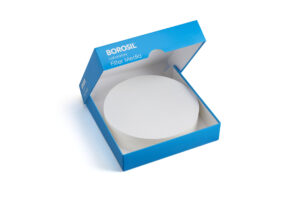
Filter papers are chemically inert, porous sheets widely used across applications ranging from educational laboratories to large-scale industrial processes. Their primary function is to act as a selective barrier that permits the passage of fluids while retaining suspended particulates. Performance characteristics such as pore size, basis weight, and material composition govern the suitability of a filter paper for specific analytical or preparative tasks.
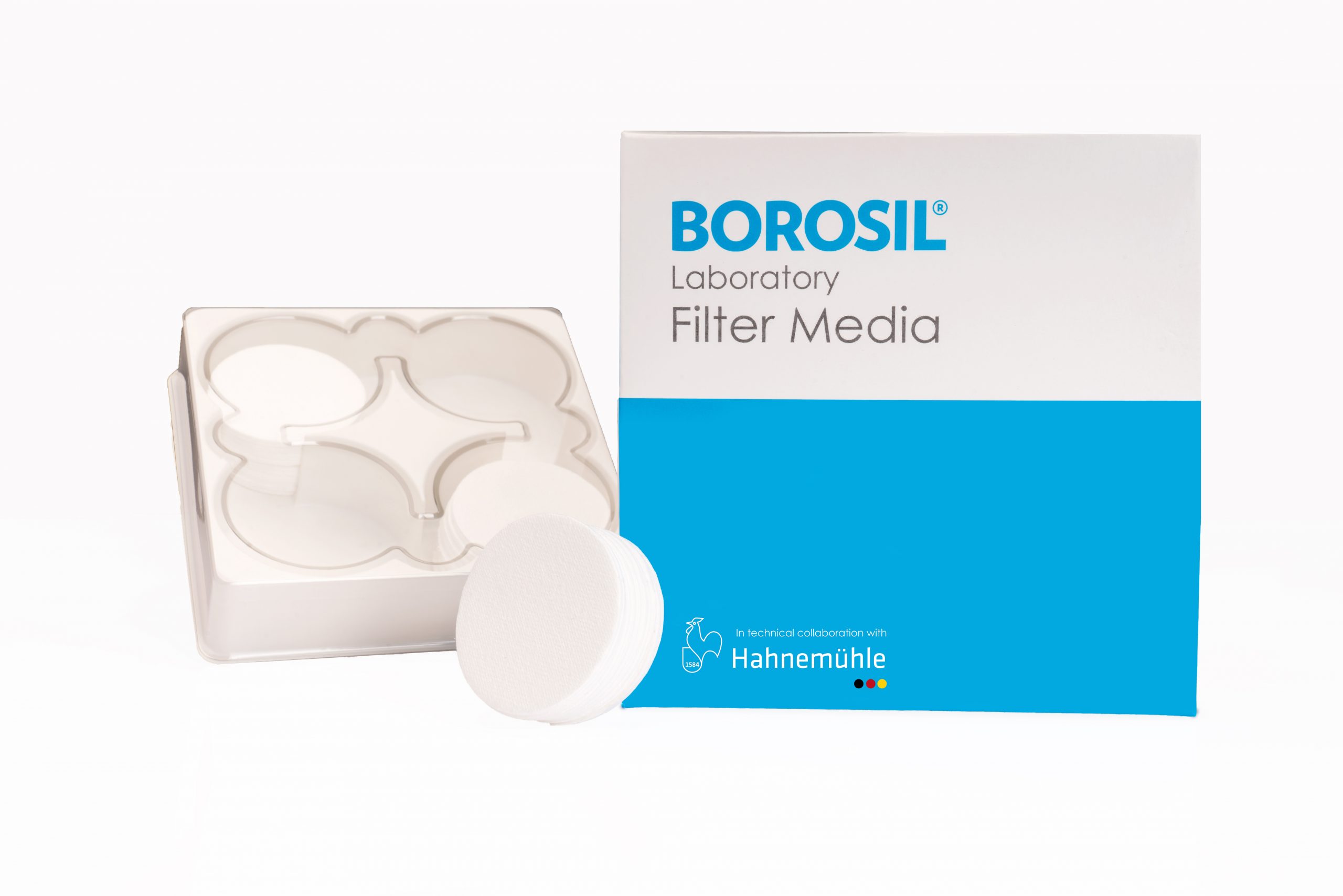
Borosil Scientific offers a comprehensive range of filter papers tailored to meet both routine laboratory protocols and demanding industrial applications. When appropriately selected, these filters ensure reproducibility and accuracy in diverse applications, including the separation of viscous biological samples, handling of volatile solvents, and collection of combustion residues.
Types of Filter Papers for Laboratory and Industrial Applications
There is no one-size-fits-all when it comes to filter paper sheets. Borosil Scientific provides distinct variants to address a broad spectrum of use cases:
- Qualitative Filter Papers: Designed for general-purpose filtration. They’re ideal for tasks where you want to identify or separate components but don’t need precise measurement. They offer medium retention and flow rate, and work well for liquids with moderate particulate load.
- Quantitative Filter Papers: Ashless by design, these are essential for gravimetric analysis and critical testing where precise quantitative data is needed. They burn without residue, which is key when calculating mass after incineration.
- Hardened Filter Papers: These are chemically treated to resist breaking under vacuum or when filtering corrosive or viscous liquids. They don’t tear easily and are highly durable under mechanical stress. Ideal for filtration setups that utilise Buchner funnels or pressure-assisted filtration.
- Glass Fibre Filters: Made from fine borosilicate microfibres, they are often used in air monitoring, fine particulate collection, or prefiltration tasks before membrane filtration. Their high loading capacity and retention make them suitable for both aqueous and aggressive chemical samples.
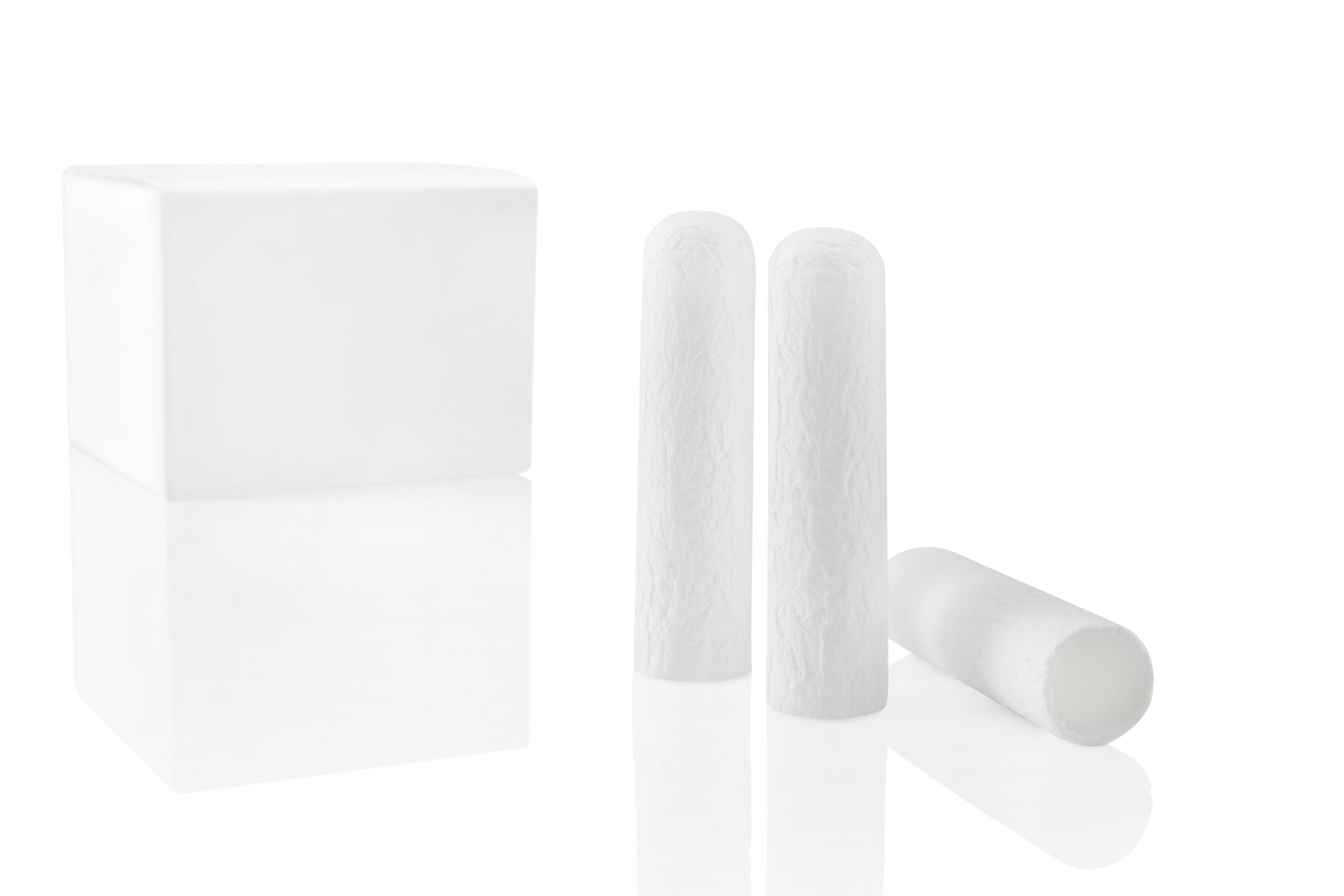
- Thimbles: Cylindrical filters made for Soxhlet extractions. Their uniform wall structure and consistent porosity make them suitable for use in continuous extraction systems. These thimbles provide mechanical stability and thermal resistance even at elevated temperatures.
| Type | Main Use | Ash Content | Flow Rate | Strength |
| Qualitative | Routine separation | Medium | Moderate | Moderate |
| Quantitative | Gravimetric analysis | Low (Ashless) | Moderate | High |
| Hardened | Vacuum filtration | Medium | Slower | Very High |
| Glass Fibre | Prefiltration / Air monitoring | Nil | High | High |
| Thimble | Soxhlet extraction | Depends on grade | Varies | Very High (Formed) |
How to Choose the Right Filter Paper for Your Needs
Picking the right filter paper isn’t just about retention rating or diameter. Several factors determine the performance and suitability of the filter for your method:
- Nature of the Sample: If you’re working with biological suspensions or environmental water samples, qualitative papers might do the job. But for elemental analysis, stick to quantitative papers.
- Flow Rate vs. Retention: There’s a trade-off. Higher retention often slows down filtration. For instance, hardened filter papers have slower flow but prevent tearing.
- Chemical Compatibility: Strong acids and organic solvents call for glass fibre filters, which resist chemical breakdown.
- Mechanical Stress: If you are using a vacuum setup, opt for hardened or glass-fibre types to avoid rupture.
- Temperature Sensitivity: In high-heat processes or extraction setups, thimbles offer thermal stability.
- Ash Content Requirement: For residue analysis post-combustion, only use ashless quantitative filters.
Benefits of Using High-Quality Filter Papers
Not all filter papers are made equal. The consistency of performance in filtration, retention, and flow rate can significantly impact the accuracy of an analytical result. Let’s break down why choosing high-quality filter papers matters:
- Reliable Particle Retention: Uniform pore size helps retain particulate matter effectively. Whether you’re using filter paper sheets for soil sediment testing or for clarifying organic extracts, retention accuracy is critical.
- Reproducible Flow Rate: A consistent capillary structure in each paper provides predictable filtration times, something that can be vital during batch testing or quality control protocols.
- Chemical Purity: Papers, such as those from Borosil Scientific, undergo acid-washing to eliminate trace metals, allowing for accurate gravimetric analysis and flame photometry.
- Thermal Stability: Especially relevant for gulp fibre filters, which can withstand higher temperatures compared to cellulose-based filters. These are used in emission testing, air monitoring, and high-load filtrations.
Mechanical Strength: Borosil Scientific’s hardened filter papers are strengthened using chemical cross-linking. This reduces tearing during vacuum filtration and facilitates easier handling, even when the material is wet.
FAQs on Laboratory Filter Papers
What are filter papers used for?
You can use filter papers to prevent solids from mixing with liquids or gases. In labs, they are used for various purposes, from separating organic compounds by gravity to retaining precipitates for quantitative analysis. Some papers are also used to study microbes and monitor air quality.
How do I choose the right filter paper?
To select the appropriate filter paper for your specific requirements, consider the type of filtration (qualitative or quantitative), particle size retention, flow rate, and chemical compatibility. For example, qualitative filter papers are ideal for general analysis, while glass fibre filters offer high temperature resistance and are preferred for monitoring airborne particulates.
Are filter papers reusable?
No, filter papers are designed for single use. Reusing them compromises integrity and introduces contamination. For applications where reusability is critical, filter membranes or alternative media may be considered; however, this falls outside the scope of standard laboratory filter papers.
Where can I buy filter papers online?
You can purchase filter papers through verified laboratory distributors or directly from a trusted filter paper manufacturer, such as Borosil Scientific. Always check for certifications, compatibility, and the material specifications before placing an order. Most professional suppliers also provide test sheets and pore size data upon request.