














Micropipettes

-
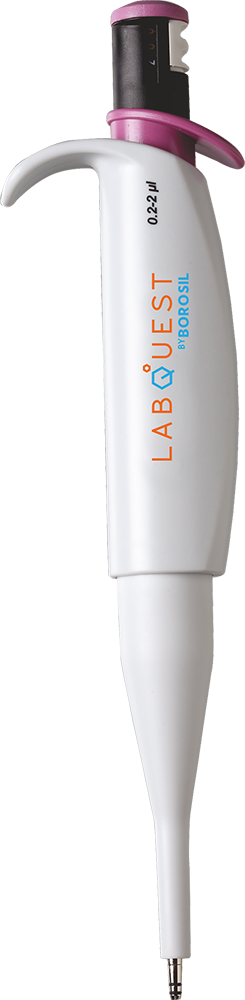
C1 Micropipettes
C1 Micropipettes tailored for high precision applications, coupled with simplified maintenance for user convenienceView Details -
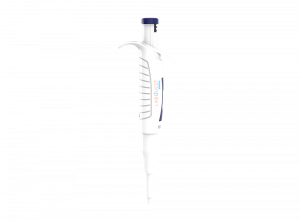
C2 Micropipettes
C2 Micropipette Intuitively Engineered for Effortless Control, Comfort, and VersatilityView Details -
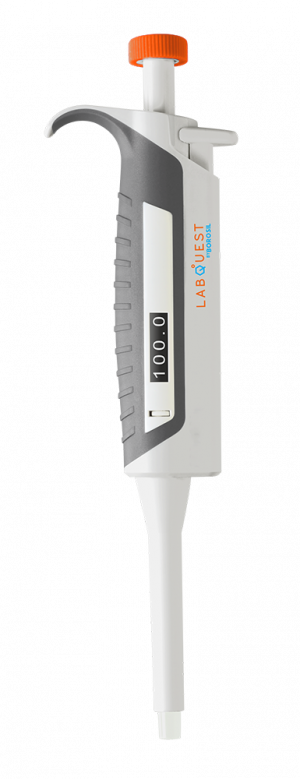
C3 Micropipettes
Experience Precision & Comfort with C3 Micropipettes Discover the ultimate in precision and comfort with LabQuest C3 Micropipettes. Designed for...View Details -
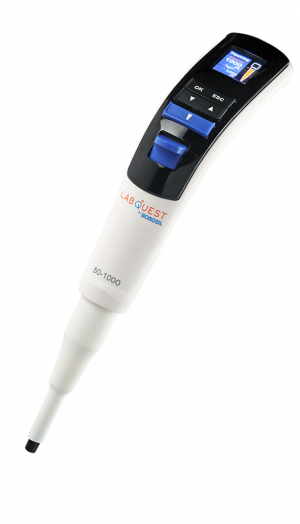
Electronic Micropipettes
Discover the future of precision and efficiency with Labquest Electronic Micropipettes. Engineered for tasks requiring repetitive pipetting or handling substantial...View Details
Common Challenges and Varieties
Operational Challenges
Laboratories frequently report pipetting inconsistencies due to calibration drift, improper plunger force, poor ergonomic design, or material degradation. Tip compatibility is another common issue. Pipettes that don’t work with all tips cause delays and higher costs because of brand-specific procurement. Accidental changes in volume are also a problem, especially in multi-step tests or batch testing.
Types of Micropipettes
| Type | Key Features | Typical Use Case |
| Fixed Volume | Pre-set volume, no adjustment required | Routine, repetitive workflows |
| Variable Volume | Adjustable scale, clear display | Multi-protocol environments |
| Multichannel | 8/12 channels, uniform dispensing | ELISA, plate-based assays |
| Electronic | Motorised control, reduced hand strain | PCR, qPCR, clinical automation |
Borosil Scientific’s Labquest Range covers all these formats. C1 Micropipettes feature a metal tip base to maintain mechanical rigidity during repeated sterilisation, making them especially suited for quality control labs. Their O-ring sealing reduces aerosol contamination and prevents sample leakage.
C2 Micropipettes are designed to be easy to use, with lower plunger force and ergonomic handling, making them perfect for academic labs and places where many people will use them.
Best Practices for Effective Use
Liquid handling precision isn’t just about the device; it’s also about technique. Users must pre-wet the tip 2-3 times before sample aspiration to improve reproducibility. Pipettes should be held vertically during aspiration, especially for volumes <10 µl, and plunger motion must be smooth and uniform.
The low-resistance plungers make it easier to use, and a volume-locking mechanism keeps the settings from changing accidentally. Compatibility with universal tips makes sure that there is better sealing and no aspiration losses.
Tip: Never force-fit tips. Use micropipettes that accept universal tips to avoid air gaps and improper seals.
Proper Storage Guidelines
Improper storage is a silent calibration killer. Micropipettes must be stored vertically using holders to prevent liquid ingress. After using corrosive agents, immediate shaft cleaning is recommended. Laying pipettes flat post-use increases the risk of internal contamination.
The entire Labquest range from Borosil Scientific is fully autoclavable. This ensures that sterility requirements are met without compromising material integrity. Colour-coded designs also reduce misidentification, which is a major contributor to lab error.
| Storage Do’s | Storage Don’ts |
| Store vertically | Avoid flat placement |
| Clean regularly | Do not leave filled tips attached |
| Use pipette stands | Avoid prolonged UV exposure |
Applications and Benefits
Micropipettes play a very important role in nearly every scientific process that involves measuring and transferring liquids.
Application Areas:
- Clinical Diagnostics: Sample loading, reagent preparation, dilution series.
- Molecular Biology: PCR, qPCR, sequencing workflows.
- Pharmaceutical Testing: Assay setup and sample preparation for HPLC.
- Environmental Labs: Water/soil testing for micro-contaminants.
- Food & Dairy Research: Handling of volatile or dense liquids.
Pipetting mistakes are greatly reduced when using micropipettes that are built to ISO 8655 standards, which is especially important when the reagents in each kit are costly. If there is a small inconsistency, the whole batch can be rejected, so having good pipettes is very important for making labs run more efficiently.
At Borosil Scientific, we use micropipettes that are mechanically strong, comfortable to hold, and precise in terms of volume, even when they’re used in multitasking settings or over long periods of time.
Borosil Scientific’s Micropipette Lineup
| Model | Key Strengths | Ideal Use |
| C1 | Metal base, silicone O-ring, robust sealing | QC, sterilisation-heavy labs |
| C2 | Lightweight, smooth actuation, ergonomic | Multi-user research labs |
| C3 | Low-force plunger, universal tip fit | Routine laboratory work |
Volume Range: 0.2 µl to 10,000 µl across models.
Autoclavability: All Labquest micropipettes are autoclavable.
Colour Coding: Aids rapid identification and reduces error risk in shared workspaces.
Why Choose Borosil Scientific Micropipettes?
Borosil Scientific is different because we combine user comfort, regulatory compliance, and design precision. The metal tip base of the C1 series prolongs the life and performance of the product in repeated cycles of sterilisation. Silicone O-rings make sure that the seal is consistent. Volume-lock systems help make shared or educational spaces safer.
LabQuest micropipettes support:
- ISO-validated Accuracy
- Low Thumb Force Operation
- Durable Mechanical Design
- Universal Tip Compatibility
- Reduced Long-Term Maintenance
A micropipette is used to measure and dispense small volumes of liquid in analytical, diagnostic, and molecular workflows.
To clean a micropipette, clean the shaft regularly, autoclave if permitted, replace O-rings when worn, and check calibration routinely.
The most common types of micropipettes available are fixed-volume, variable-volume, and multichannel models.
Some of the most common pipetting errors are tilting during aspiration, improper tip fit, sudden plunger motion, and ignoring recalibration timelines.
To select the right micropipette for your uses, you need to assess the volume range, user frequency, comfort needs, and check whether universal tip compatibility is required.