







• image not found
  • image not found
  • image not found
  • Products Certificates
  • E-catalogue
    • Download
  • Resources
    • Blog
    • Brochures and flyers
  • Career
  • Distributors
  • Global Presence
  • Contact Us
logo
  • About us
  • Products
  • Services
  • Industries
  • Investor
  • News & Events
image not found
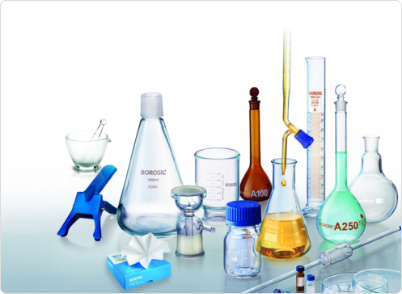
Laboratory Glassware & Consumables
image not found
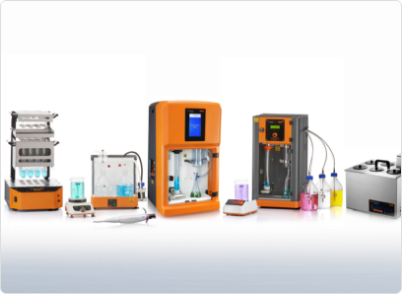
Laboratory Instrumentation
image not found
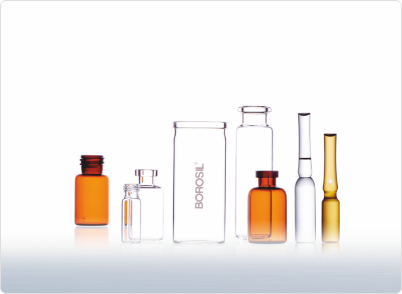
Pharma Primary Packaging
image not found
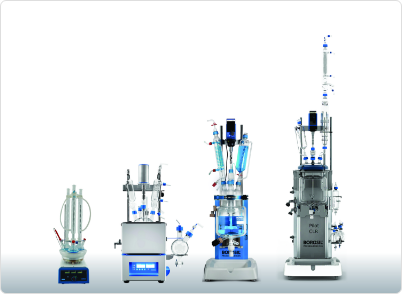
Laboratory Process Systems
image not found
Industrial Process Equipment
image not found
OEM
Laboratory Glassware Filtration Products Analytical Vials
  • Volumetric Glassware
  • Laboratory Bottles and caps
  • General Laboratory Glassware
  • Glassware For Microbiology
  • Quartz & Sintered Ware
  • Filter Membranes
  • Glass Filtration Assembly
  • Stainless Steel Filtration Assembly
  • Filter Papers
  • 2ml HPLC VIALS/CLOSURES/KIT
  • 20ml HEADSPACE GC VIALS/CLOSURES/KIT
  • Certified Pre-assembled EPA/TOC VIALS/KIT
  • Accessories
  • metal accessories
image not found
Laboratory Glassware & Consumables
Volumetric Glassware, Reagent Bottles, Beakers, Test Tubes, Petri Dishes
1500 W (10% OFF)
Nutrition Environment Lab Essentials Life sciences Liquid Handing Lab Water
  • Nitrogen and Protein Analysis
  • Fat Analysis
  • Fiber Analysis
  • Moisture Analysis
  • Water Testing
  • UV Visible Spectrophotometers
  • Electrochemistry
  • Heating & Cooling Circulators
  • Heating Mantles
  • Vacuum Pumps
  • Glass Dryer
  • Water Distillation
  • Water Baths & Oil Baths
  • Laboratory Stirrers
  • Centrifuges
  • Vortex Mixers
  • Dry Baths
  • Bottle Top Dispensers
  • Digital Burettes
  • Micropipettes
image not found
Laboratory Instrumentation
Kjeldahl Digesters, Kjeldahl Distillation Units, Fat Analyser, Water Bath, Stirrer, Centrifuge
1500 W (10% OFF)
image not found
Pharma Primary Packaging
Tubular Glass Vials, Glass Ampoules
1500 W (10% OFF)
Mini Reactor System Jacketed Reactor System Parallel Reaction System Automated Reaction System Photo & Speciality System Utilities & Accessories
image not found
Laboratory Process Systems
We Automate Chemistry
Leading Manufacturer of Industrial Process Equipment
logo
    logo
  • Home
  • Products
    • Glassware & Consumables
      • LABORATORY GLASSWARE
          • Volumetric Glassware
          • Laboratory Bottles and caps
          • General Laboratory Glassware
          • Glassware For Microbiology
          • Quartz & Sintered Ware
      • FILTRATION PRODUCTS
          • Filter Membranes
          • Glass Filtration Assembly
          • Stainless Steel Filtration Assembly
          • Filter Papers
      • ANALYTICAL VIALS
          • 2ml HPLC VIALS/CLOSURES/KIT
          • 20ml HEADSPACE GC VIALS/CLOSURES/KIT
          • Certified Pre-assembled EPA/TOC VIALS/KIT
          • Accessories
    • Laboratory Instrumentation
      • Nutrition
          • Nitrogen and Protein Analysis
          • Fat Analysis
          • Fiber Analysis
          • Moisture Analysis
      • Environment
          • Water Testing
          • UV Visible Spectrophotometers
          • Electrochemistry
      • Lab essentials
          • Heating & Cooling Circulators
          • Heating Mantles
          • Vacuum Pumps
          • Glass Dryer
          • Water Distillation
          • Water Baths & Oil Baths
          • Laboratory Stirrers
      • Life sciences
          • Centrifuges
          • Vortex Mixers
          • Dry Baths
      • Liquid Handing
          • Bottle Top Dispensers
          • Digital Burettes
          • Micropipettes
      • Lab Water
    • Pharma Primary Packaging
    • Laboratory Process Systems
      • Mini Reactor System
      • Jacketed Bench System
      • Parallel Reaction System
      • Automated Reaction System
      • Photo & Speciality System
      • Utilities & Accessories
    • Industrial Process Equipment
    • OEM
    • About us
    • Products
    • Services
    • Industries
    • Investor
    • News & Events
    • Products Certificates
    • E-catalogue
      • Download
    • Resources
      • Blog
      • Brochures and flyers
    • Career
    • Distributors
    • Global Presence
    • Contact Us

Using an Erlenmeyer Flask: A Complete Guide to Understanding, Handling, and Applications

Using an Erlenmeyer Flask: A Complete Guide to Understanding, Handling, and Applications

The Erlenmeyer flask is an essential tool widely used in laboratories. It has a distinctive conical shape and a narrow neck. This flask is versatile as it is designed for various functions such as mixing, heating, and storing liquids in any scientific setting, from biology labs to industrial chemical plants. Understanding its structure, handling, and applications ensures proper and safe use.

In this guide, we will explore the characteristics and variations of Erlenmeyer flasks, detail their applications, and provide guidance on proper handling and maintenance.

What is an Erlenmeyer Flask?

The Erlenmeyer flask, also called a conical flask, was invented in 1860 by Emil Erlenmeyer. Its practical and efficient design combines a wide base for stability and efficient heating with a narrow neck to minimise spillage and enable secure sealing with stoppers.

The versatility of the Erlenmeyer flask function enables various applications, including mixing solutions, preparation of cultures, heating, etc. The pharmaceutical and food testing industries and various academic institutions frequently use the Erlenmeyer flask in laboratories for different applications.

Key Features of an Erlenmeyer Flask

Erlenmeyer flasks are designed according to the demands of varied laboratory applications. Their form and properties have been well-engineered to deliver high precision with a longer lifetime.

  1. Conical Design: The wide base ensures stability, while the tapered neck allows for controlled mixing without spills.
  2. Graduated markings: Most flasks have markings that enable estimation of the volume of solutions during experimentation.
  3. Heat Resistance: It is made of borosilicate glass, so it can stand high temperatures and is suitable for direct heating on burners or hot plates.
  4. Compatibility with Stoppers and Caps: The design of the neck will allow for stoppers, screw caps, or cotton plugs for airtight sealing if desired.

Types of Erlenmeyer Flasks

Different tasks require different types of flasks. Here’s a breakdown of the common varieties and their specialised features:

1. Wide-Mouth Erlenmeyer Flask

  • Uniform wall thickness for durability and even heating.
  • Wide neck for easy cleaning and filling.
  • Graduated markings for quick volume assessment.
  • Ideal for tasks involving thick liquids or when frequent cleaning is required, such as food testing or handling viscous reagents.

    2. Long-Neck Erlenmeyer Flask

    • Long neck designed to accommodate cotton plugs and metal caps.
    • Excellent for microbial culture work due to reduced contamination risks.
    • Popular in microbiology and fermentation processes.

      3.Baffled Bottom Flask with Screw Cap

      • Four baffled indents for consistent agitation and optimum aeration.
      • Screw cap ensures an airtight environment for cultures.
      • Frequently used in biopharma labs for culturing suspension cells or enzymatic reactions.

      4. Narrow-Mouth Amber Flask

      • Amber-coloured exterior protects light-sensitive substances.
      • Interchangeable glass stoppers for secure sealing.
      • Used in chemical synthesis where substances need protection from light degradation.

      Erlenmeyer Flask Function: Applications Across Industries

      The Erlenmeyer flask is one of the most versatile tools in a laboratory. Its uses span numerous industries and scientific disciplines.

      1. Academic Laboratories

      Erlenmeyer flasks are used for general-purpose applications, such as titrations, solution preparation, and small-scale reactions by students and researchers. Their sturdy construction and graduated markings make them perfect for novice and experienced scientists.

      2. Microbiology

      The long-neck flask is indispensable for microbial culture. The neck design accommodates cotton plugs, preventing contamination while allowing airflow. For instance, when culturing bacteria for testing, an Erlenmeyer flask ensures optimal growth conditions.

      3. Pharmaceutical and Biopharma Applications

      The baffled bottom flask is widely used in pharmaceutical labs to culture suspension cells and perform enzymatic reactions. The baffles ensure even mixing, improving reaction efficiency and aeration in liquid media.

        4. Food and Beverage Testing

        Wide-mouth flasks are preferred for food testing, where thick or particulate-laden solutions are handled. Their easy-to-clean design simplifies sample preparation.

        5. Chemical Synthesis

        The amber flask is ideal for synthesising light-sensitive chemicals. The external amber coating ensures that substances remain stable without contamination risks.

        Best Practices for Handling and Maintenance

        Proper handling and maintenance extend the lifespan of your Erlenmeyer flask and ensure accurate results. Here’s how to handle and care for these versatile tools.

        1. Choose the Right Flask for the Job: Ensure that the flask’s capacity, material, and design suit your specific experiment.
        2. Avoid Sudden Temperature Changes: Although borosilicate glass is heat-resistant, exposing it to rapid temperature shifts can cause cracks. For instance, avoid transferring the flask directly from a freezer to a hot plate.
        3. Lock the Flask During Operation: If highly agitated or heated, hold the flask in place using clamps or supports.
        4. Clean Immediately: Cleaning the flask should be done immediately with distilled water to prevent the accumulation of residues.
        5. Use Compatible Cleaning Agents: For stubborn stains, use cleaning agents that won’t degrade the flask’s surface or markings.
        6. Inspect for Damage: Regularly check for cracks or chips. Damaged flasks can compromise the safety and accuracy of experiments.
        7. Store Properly: When not in use, store flasks in a clean, dry cabinet to avoid scratches or contamination.

        How to Choose the Right Erlenmeyer Flask?

        With various designs available, selecting the right flask depends on your laboratory’s needs. Consider the following factors.

        1. Volume Requirements: Select a flask with sufficient capacity for your tasks. Graduated flasks enable the user to estimate approximate volumes using graduated markings.
        2. Application Type: For light-sensitive substances, opt for amber flasks. For culture work, baffled bottom flasks provide the best aeration.
        3. Temperature Tolerance: Ensure the flask material can withstand heating or cooling conditions. Borosilicate glass offers excellent thermal resistance.
        4. Ease of Use: Wide-mouth designs simplify cleaning and filling, making them ideal for repetitive use.

        Advantages of Using Erlenmeyer Flasks

        The versatility of Erlenmeyer flasks offers several advantages. Some of these include –

        • Mixing Efficiency: The conical design ensures uniform mixing, reducing the need for additional tools.
        • Ease of Heating: Borosilicate glass resists high temperatures, making these flasks suitable for direct heating.
        • Reduced Risk of Spills: The narrow neck minimises liquid splashing during stirring or heating.
        • Chemical Resistance: It is constructed from inert materials, preventing unwanted reactions or leaching into solutions.

        Comparison of Borosil Scientific Erlenmeyer Flasks

        ModelNeck TypeCapacity RangeSpecial FeaturesApplications
        5100Wide Mouth50 mL to 5 LEasy filling and cleaningGeneral lab use, food testing
        4981Long Neck50 mL to 2 LSuitable for microbial cultureMicrobiology
        5025Baffled Bottom250 mL to 2 LConsistent agitation, autoclavable screw capBiopharma, enzyme reactions
        5019Amber, Narrow100 mL to 1 LProtects light-sensitive substancesChemical synthesis, photochemical studies

        Conclusion

        The Erlenmeyer flask is much more than just a laboratory staple. It forms a cornerstone for precision and efficiency in scientific research. Whatever the activity, such as preparing microbial cultures, conducting titrations, or synthesising sensitive chemicals, the right flask ensures the accuracy and reliability of work. Understanding the unique features and applications of various Erlenmeyer flask designs can optimise laboratory processes with consistent results.

        At Borosil Scientific, we are dedicated to providing high-quality, durable, and versatile Erlenmeyer flasks to meet the demands of the modern laboratory. Browse through our collection to find what you need, and let us help you progress with your scientific journey with confidence.

        Be the First
        Sign Up Now with Your Email for Exclusive Updates & Stay Ahead with Borosil Scientific!

          logo
          Enabling the Future of Science
          Company
          • About us
          • News & Events
          • Career
          • Corporate Video
          Products
          • Laboratory Glassware & Consumables
          • Laboratory Instrumentation
          • Pharma Primary Packaging
          • Process equipment
          Support
          • E catalogue
          • Resources
          • Product Certificates
          • Blogs
          • Contact Us
          Get In Touch
          • image not found
            +91 22 6740 6300
          • image not found
            bsl@borosil.com
          • image not found
          • image not found
          • image not found
          • image not found
          Copyright © 2025 borosilscientific.com. All rights reserved.
          • Terms & Conditions
          • Privacy Policy
          • Sitemap
          Designed & Developed by iDigitalise
          Inquiry