





• image not found
  • image not found
  • image not found
  • Love for science
  • Products Certificates
  • E-catalogue
    • Download
  • Resources
    • Blog
    • Brochures and flyers
  • Distributors
  • Global Presence
  • Contact Us
logo
  • About us
  • Products
  • Services
  • Industries
  • Investor
  • News & Events
image not found
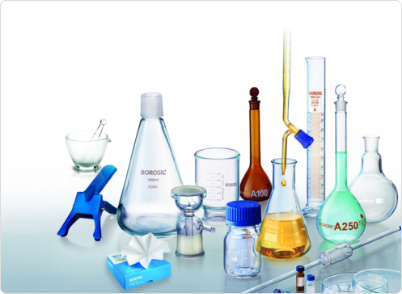
Laboratory Glassware & Consumables
image not found
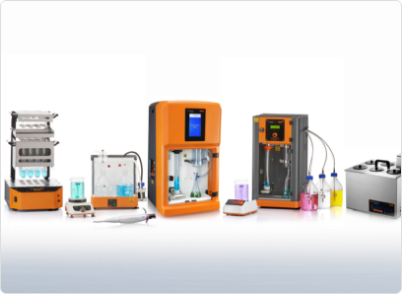
Laboratory Instrumentation
image not found
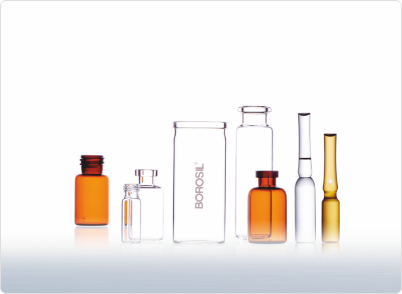
Pharma Primary Packaging
image not found
Laboratory Process Systems
image not found
Industrial Process Equipment
image not found
OEM
Laboratory Glassware Filtration Products Analytical Vials
  • Volumetric Glassware
  • Laboratory Bottles and caps
  • General Laboratory Glassware
  • Glassware For Microbiology
  • Quartz & Sintered Ware
  • Siliconeware
  • Filter Membranes
  • Glass Filtration Assembly
  • Stainless Steel Filtration Assembly
  • Filter Papers
  • 2ml HPLC VIALS/CLOSURES/KIT
  • 20ml HEADSPACE GC VIALS/CLOSURES/KIT
  • Certified Pre-assembled EPA/TOC VIALS/KIT
  • Accessories
  • metal accessories
image not found
Laboratory Glassware & Consumables
Volumetric Glassware, Reagent Bottles, Beakers, Test Tubes, Petri Dishes
1500 W (10% OFF)
Nutrition Environment Lab Essentials Life sciences Liquid Handing Lab Water
  • Nitrogen and Protein Analysis
  • Fat Analysis
  • Fiber Analysis
  • Moisture Analysis
  • Water Testing
  • UV Visible Spectrophotometers
  • Electrochemistry Instruments & Equipment
  • Heating & Cooling Circulators
  • Heating Mantles
  • Vacuum Pumps
  • Glass Dryer
  • Water Distillation
  • Water Baths
  • Laboratory Stirrers
  • Centrifuges
  • Vortex Mixers
  • Dry Baths
  • Bottle Top Dispensers
  • Digital Burettes
  • Micropipettes
image not found
Laboratory Instrumentation
Kjeldahl Digesters, Kjeldahl Distillation Units, Fat Analyser, Water Bath, Stirrer, Centrifuge
1500 W (10% OFF)
image not found
Pharma Primary Packaging
Tubular Glass Vials, Glass Ampoules
1500 W (10% OFF)
Mini Reactor System Jacketed Reactor System Parallel Reaction System Automated Reaction System Photo & Speciality System Utilities & Accessories
image not found
Laboratory Process Systems
We Automate Chemistry
Leading Manufacturer of Industrial Process Equipment
logo
    logo
  • Home
  • Products
    • Glassware & Consumables
      • LABORATORY GLASSWARE
          • Volumetric Glassware
          • Laboratory Bottles and caps
          • General Laboratory Glassware
          • Glassware For Microbiology
          • Quartz & Sintered Ware
          • Siliconeware
      • FILTRATION PRODUCTS
          • Filter Membranes
          • Glass Filtration Assembly
          • Stainless Steel Filtration Assembly
          • Filter Papers
      • ANALYTICAL VIALS
          • 2ml HPLC VIALS/CLOSURES/KIT
          • 20ml HEADSPACE GC VIALS/CLOSURES/KIT
          • Certified Pre-assembled EPA/TOC VIALS/KIT
          • Accessories
    • Laboratory Instrumentation
      • Nutrition
          • Nitrogen and Protein Analysis
          • Fat Analysis
          • Fiber Analysis
          • Moisture Analysis
      • Environment
          • Water Testing
          • UV Visible Spectrophotometers
          • Electrochemistry Instruments & Equipment
      • Lab essentials
          • Heating & Cooling Circulators
          • Heating Mantles
          • Vacuum Pumps
          • Glass Dryer
          • Water Distillation
          • Water Baths
          • Laboratory Stirrers
      • Life sciences
          • Centrifuges
          • Vortex Mixers
          • Dry Baths
      • Liquid Handing
          • Bottle Top Dispensers
          • Digital Burettes
          • Micropipettes
      • Lab Water
    • Pharma Primary Packaging
    • Laboratory Process Systems
      • Mini Reactor System
      • Jacketed Bench System
      • Parallel Reaction System
      • Automated Reaction System
      • Photo & Speciality System
      • Utilities & Accessories
    • Industrial Process Equipment
    • OEM
    • About us
    • Products
    • Services
    • Industries
    • Investor
    • News & Events
    • Love for science
    • Products Certificates
    • E-catalogue
      • Download
    • Resources
      • Blog
      • Brochures and flyers
    • Distributors
    • Global Presence
    • Contact Us

What Are Dropper Bottles and How Do They Work?

What Are Dropper Bottles and How Do They Work?

Dropper bottles are used in educational, pharmaceutical, and analytical labs to measure out small amounts of reagents accurately. Drop-by-drop application is made easier with these bottles, which are important for titrations, qualitative analysis, and controlled reagent delivery. At Borosil Scientific, we manufacture laboratory-grade dropping bottles from 3.3 borosilicate glass, which meets high standards for chemical resistance and thermal stability.

Dropper Bottle Design & Material Construction

Dropper bottles typically comprise the following components:

ComponentMaterial SpecificationFunctionality
Bottle body3.3 low-expansion borosilicate glassChemical/heat-resistant container
Dropper assemblyInterchangeable ground joint glass dropperEnsures compatibility and tight sealing
TeatRubber, manually compressibleAllows suction and controlled release of reagent via pressure

The use of borosilicate glass over polymer alternatives is deliberate. Glass ensures low interaction with stored substances, especially corrosive or light-sensitive materials, and withstands autoclaving processes without deformation.

Types of Dropper Bottles by Borosil Scientific

Borosil Scientific manufactures two key dropper bottle models:

VariantVolume RangeGlass TypeKey Features
Clear GlassStandard lab volumes3.3 BorosilicateTransparency for visual checks; interchangeable ground joint dropper
Amber GlassStandard lab volumes3.3 BorosilicateUV-protection for light-sensitive chemicals; rubber teat; high chemical resistance

Both of our models are made for users who need to dispense liquids drop by drop. The 1650 model, on the other hand, is better for photolabile compounds because its amber glass protects against UV light.

Working Principle: Drop-by-Drop Dispensing

Dropper bottles operate on vacuum pressure and surface tension:

  • Step 1: Squeeze the rubber teat. Air exits the glass dropper.
  • Step 2: Release the teat. Liquid is drawn into the dropper via vacuum.
  • Step 3: Apply light pressure. Drops dispense under the control of gravity and surface tension.

Overdosing could compromise the accuracy of lab procedures that rely on precision, making this mechanism crucial. The ground glass dropper fits tightly, resulting in minimal liquid loss and no leakage during storage.

Applications Across Laboratory Segments

Industry SegmentUse Case
Analytical Chemistry LabsDrop-wise reagent addition during titrations or pH adjustments
Pharmaceutical QA/QCHandling of standardised solutions during drug formulation trials
Academic InstitutionsTeaching aid for demonstrating solubility, acid-base reactions, etc.
R&D LaboratoriesPreparation of serial dilutions, handling volatile organic compounds

Amber glass bottles (1650) are especially relevant for photodegradable substances like silver nitrate or iodine solutions. Clear glass bottles (1640) are useful where solution visibility is crucial (e.g., colourimetric assays).

Key Material Attributes of Borosil Scientific Dropper Bottles

  • Thermal Resistance: Withstands autoclaving and flame drying.
  • Chemical Resistance: Compatible with acids, alkalis, alcohols, and organic solvents.
  • Low Expansion Coefficient: Ensures mechanical stability under fluctuating lab temperatures.
  • Reusable: Can endure repeated cleaning cycles without wear or loss of precision.

Performance Comparison: Amber vs Clear Dropper Bottles

FeatureAmber Glass (1650)Clear Glass (1640)
UV ProtectionYesNo
Visibility of ContentsLimitedHigh
Best ForLight-sensitive reagentsGeneral-purpose, visible reagents
Aesthetic IdentificationEasy colour-coded system possibleRequires clear labelling

Best Practices for Handling Dropper Bottles

Proper handling extends the service life of dropper bottles and preserves sample integrity. Although borosilicate is a durable material, careless use can compromise both safety and accuracy.

  • Always label bottles clearly using solvent-resistant ink. Permanent labelling helps prevent cross-contamination or accidental misuse.
  • Do not interchange dropper assemblies across bottles. Each dropper is ground to fit its corresponding joint; interchanging reduces seal integrity.
  • Replace rubber teats periodically to maintain suction reliability. Teats degrade over time with solvent exposure; replacement restores suction consistency.
  • Rinse bottles using deionised or distilled water after every use. Tap water may introduce ions or particulates that interfere with future samples.
  • Store bottles upright to prevent seepage and contamination, ensuring the dropper tip remains clean and free from backflow.
  • Avoid using with substances that attack rubber unless chemically compatible teats are used. Certain solvents can degrade standard rubber teats; consider switching to silicone or PTFE-coated teats if necessary.

Precautions During Use

Dropper bottles last a long time and work well, but lab precision depends on regular maintenance and proper use. Even small mistakes can cause samples to break down, become contaminated, or yield incorrect results during use. Operators should be aware that the different reagents stored and dispensed in these bottles have varying reactions with materials, light, and the environment. To avoid this, regular checks and thorough cleaning are not options; they’re necessary.

Before dispensing, the bottle should always be checked for cracks, worn-out rubber teats, or residues around the neck joint. Such defects may seem minor but can disrupt suction pressure or allow vapour escape, altering the concentration of stored reagents. Similarly, improper cleaning between uses, especially when changing reagents, can lead to cross-contamination and affect downstream testing accuracy.

To ensure operational reliability and reagent safety, users should keep these precautions in mind:

Risk FactorMitigation Strategy
Cross-contaminationUse a separate dropper bottle per reagent. Never reuse without thorough cleaning. Dedicated use prevents chemical interference and ensures data integrity.
Reagent degradationSelect the amber variant (1650) for UV-sensitive liquids, such as iodine or phenol. The amber glass shields samples from UV exposure, which can alter their chemical composition.
Droplet inconsistencyReplace deformed teats and clean the glass dropper regularly to maintain flow control. Consistent drop size ensures uniform dosing, critical in quantitative analyses.

Why Choose Borosil Scientific for Dropper Bottles?

All dropping bottles by Borosil Scientific are manufactured in accordance with globally recognised glass manufacturing practices. The 3.3 borosilicate material complies with ISO standards for thermal and chemical performance. Each component is calibrated for interchangeability and tight sealing. The amber and clear variants allow adaptability across storage and dispensing conditions.

With decades of expertise and dedicated manufacturing capabilities, Borosil Scientific produces precision glassware that supports robust experimentation and long-term performance.

Conclusion

Dropper bottles are indispensable in laboratory environments that demand meticulous dosing of liquids. Whether used for research, quality control, or education, the design integrity and material quality of these bottles directly impact the reliability of the experiment.

At Borosil Scientific, we are committed to delivering laboratories with the highest-quality glassware. Our dropping bottles, available in amber (1650) and clear (1640) varieties, are designed to be accurate, durable, and safe for chemicals. Researchers and analysts can focus on what really matters, the results, if they buy reliable lab equipment.

For more information, refer to the official product catalogue or contact our authorised dealers for specifications, pricing, and technical documentation.

Be the First
Sign Up Now with Your Email for Exclusive Updates & Stay Ahead with Borosil Scientific!

    logo
    Enabling the Future of Science
    Company
    • About us
    • News & Events
    • Career
    • Corporate Video
    Products
    • Laboratory Glassware & Consumables
    • Laboratory Instrumentation
    • Pharma Primary Packaging
    • Process equipment
    Support
    • E catalogue
    • Resources
    • Product Certificates
    • Blogs
    • Contact Us
    Get In Touch
    • image not found
      +91 22 6740 6300
    • image not found
      bsl@borosil.com
    • image not found
    • image not found
    • image not found
    • image not found
    Copyright © 2025 borosilscientific.com. All rights reserved.
    • Terms & Conditions
    • Privacy Policy
    • Sitemap
    Designed & Developed by iDigitalise
    Inquiry